25
Jan

Soft Tissue Grafts or “Gum Grafts”

In addition to the development of pockets and bone loss, periodontal disease can cause the gums to recede, thereby exposing the roots of the teeth. When the root of a tooth loses its overlying soft tissue, it becomes more vulnerable to decay, sensitivity and additional bone loss. Gum recession also…
25
Jan

Periodontal Surgery

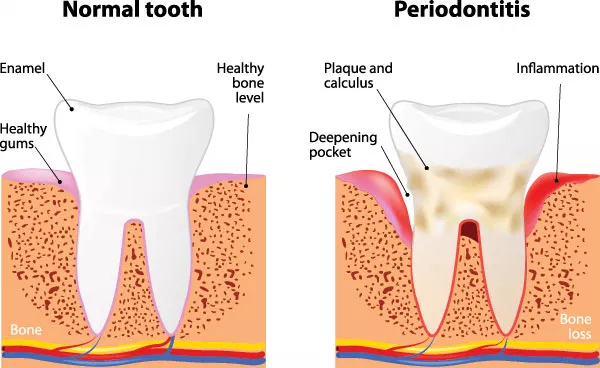
When gum disease has advanced beyond the initial stage, periodontal surgery is often recommended to effectively remove bacteria and tartar from around the teeth, reduce gingival pocket depth, restore lost tissue as possible and halt the disease process. Untreated gum disease is a progressive condition, which will continue to compromise…
25
Jan

Osseous Grafts or “Bone Grafts”

Bone loss in the jaws and around the teeth can be the result of missing teeth, periodontal disease, or trauma. This bone loss is more than a detriment to oral health and function; it can also alter facial appearance as the support for the natural contours of the face is…
25
Jan

Non-Surgical Periodontal Treatment

When periodontal disease is detected early in its onset, conservative or non-surgical methods of care in combination with improved hygiene routines can restore periodontal health. While periodic, professional cleanings are sufficient to maintain periodontal health in patients that do not have gum disease, once gingivitis is present, deeper cleanings and…
25
Jan

Crown Lengthening

Crown lengthening is a common procedure that is routinely performed to re-contour gum tissue and bone, as needed, with the intent of making more tooth structure available for the placement of a dental crown or dental bridge. This is often the case when a tooth is decayed or otherwise damaged…

Popular Posts

Dental Bonding

Dental Bonding

January 25, 2026
Ceramic Crowns

Ceramic Crowns

January 25, 2026
Full or Partial Dentures

Full or Partial Dentures

January 25, 2026
Fixed Bridgework

Fixed Bridgework

January 25, 2026

Popular Tags

Call Us